
Xiaomi Dark Factory: AI-Powered Smartphone Production Explained
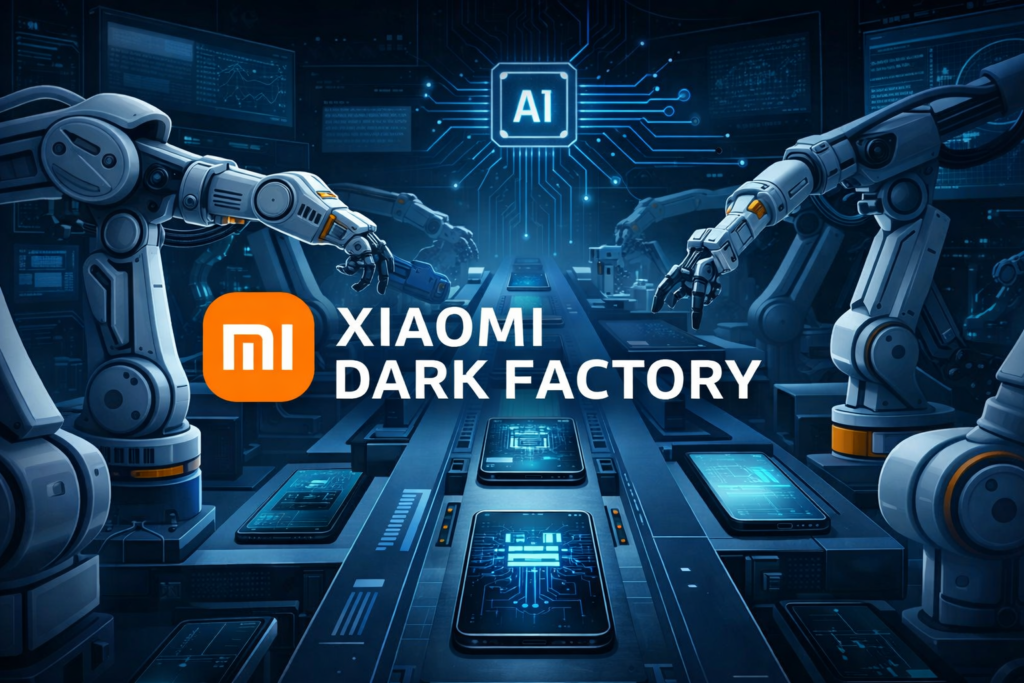
Xiaomi has taken a major step toward the future of manufacturing with its fully automated “dark factory.” This advanced production facility can operate 24 hours a day without human workers, using artificial intelligence and robotics to build smartphones with high precision.
The Xiaomi dark factory represents a new era where machines handle complex manufacturing processes, reducing human involvement and increasing efficiency.
What Is Xiaomi’s Dark Factory?
The Xiaomi dark factory is an advanced smartphone manufacturing facility designed to run almost entirely without human intervention. It is often called a “dark factory” because it does not require lighting, as machines and robots perform all tasks.
Instead of traditional workers, the factory relies on:
- AI-powered control systems
- Robotic assembly lines
- Automated quality inspection
- Smart logistics systems
This allows the factory to operate continuously without breaks or downtime.
How Xiaomi’s Dark Factory Works
The Xiaomi dark factory uses a combination of cutting-edge technologies to automate production.
AI-Controlled Operations
Artificial intelligence manages the entire manufacturing process. It monitors performance, detects issues in real time, and adjusts operations automatically to maintain efficiency.
Robotic Assembly
Robots are responsible for assembling smartphones with high accuracy. They perform repetitive tasks faster and more consistently than human workers.
Smart Quality Control
Advanced sensors and machine vision systems inspect each device during production. This helps identify defects instantly and ensures consistent product quality.
24/7 Continuous Production
Unlike traditional factories, the Xiaomi dark factory runs non-stop. This significantly increases production capacity and reduces manufacturing time.
Production Capacity and Efficiency
One of the biggest advantages of the Xiaomi dark factory is its high production efficiency. Reports suggest that the facility can produce smartphones at extremely high speeds, with minimal delays.
The factory is also designed to manufacture premium devices, ensuring high standards of quality while maintaining rapid output.
Why Xiaomi Built a Dark Factory
Xiaomi’s move toward automated manufacturing is driven by several key goals:
- Reduce long-term production costs
- Improve product quality and consistency
- Increase manufacturing speed
- Minimize human error
By using automation, Xiaomi can maintain tighter control over its production process and respond more quickly to market demand.
Impact on the Future of Jobs
While the Xiaomi dark factory highlights technological progress, it also raises concerns about the future of jobs in manufacturing.
Automation reduces the need for manual labor, which could impact traditional factory roles. However, it also creates demand for new skills in areas such as AI, robotics, and system management.
This shift suggests that the future workforce will need to adapt to more technology-focused roles.
- You may also like:
Pingback: When Were Smartphones invented? History Explained
Pingback: Europe tightening social media rules - New Rules Explained