
Future Beyond Smartphones: What Tech Giants Are Building
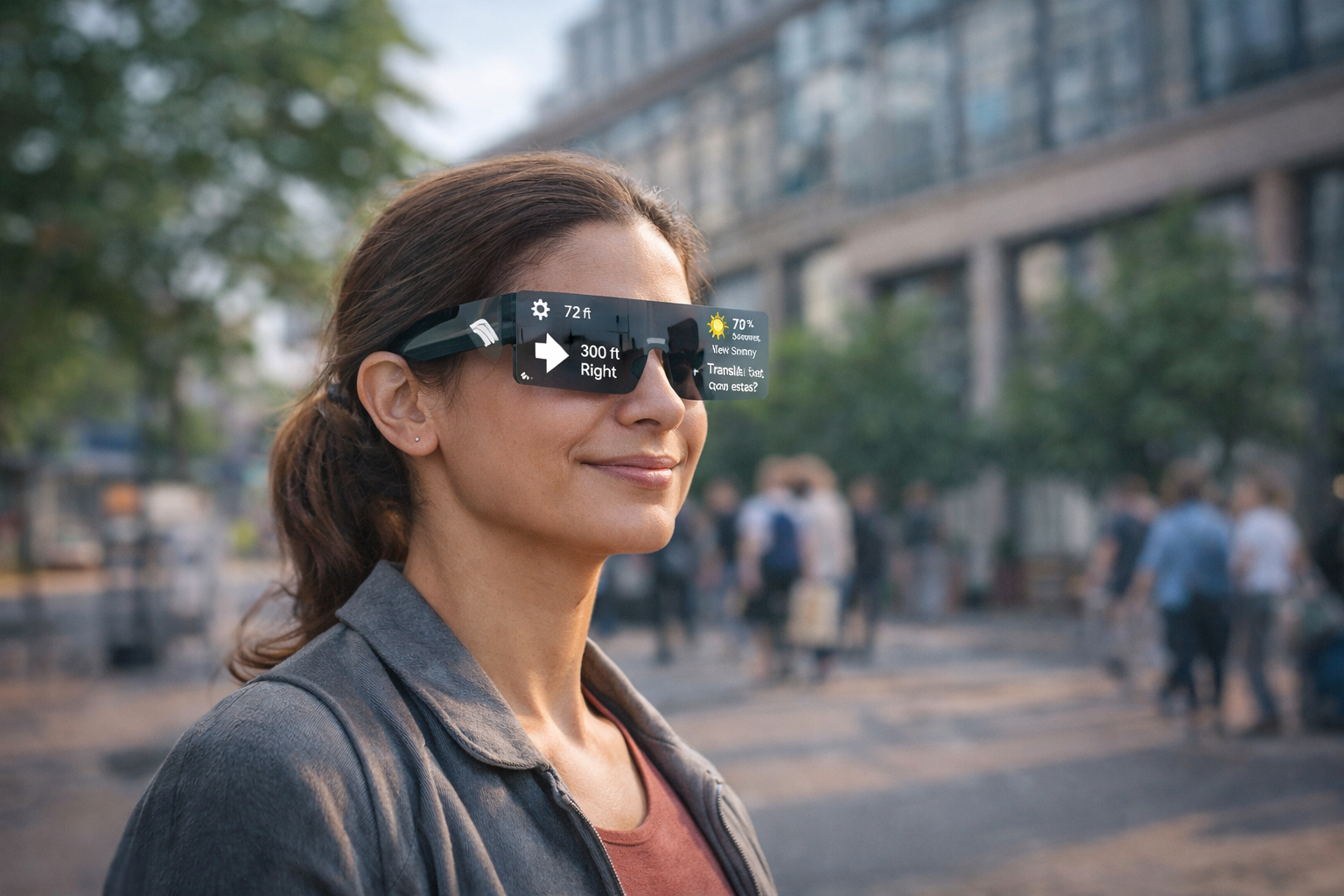
The idea that tech giants envision a future beyond smartphones is no longer just speculation—it is already happening. Companies like Apple, Google, Meta, and Samsung are investing heavily in technologies that could replace smartphones as our primary device.
So, what does this mean for you?
In this article, you will discover how the post-smartphone era is evolving, the technologies driving it, and how your daily digital experience could soon change.
What Does “Future Beyond Smartphones” Mean?
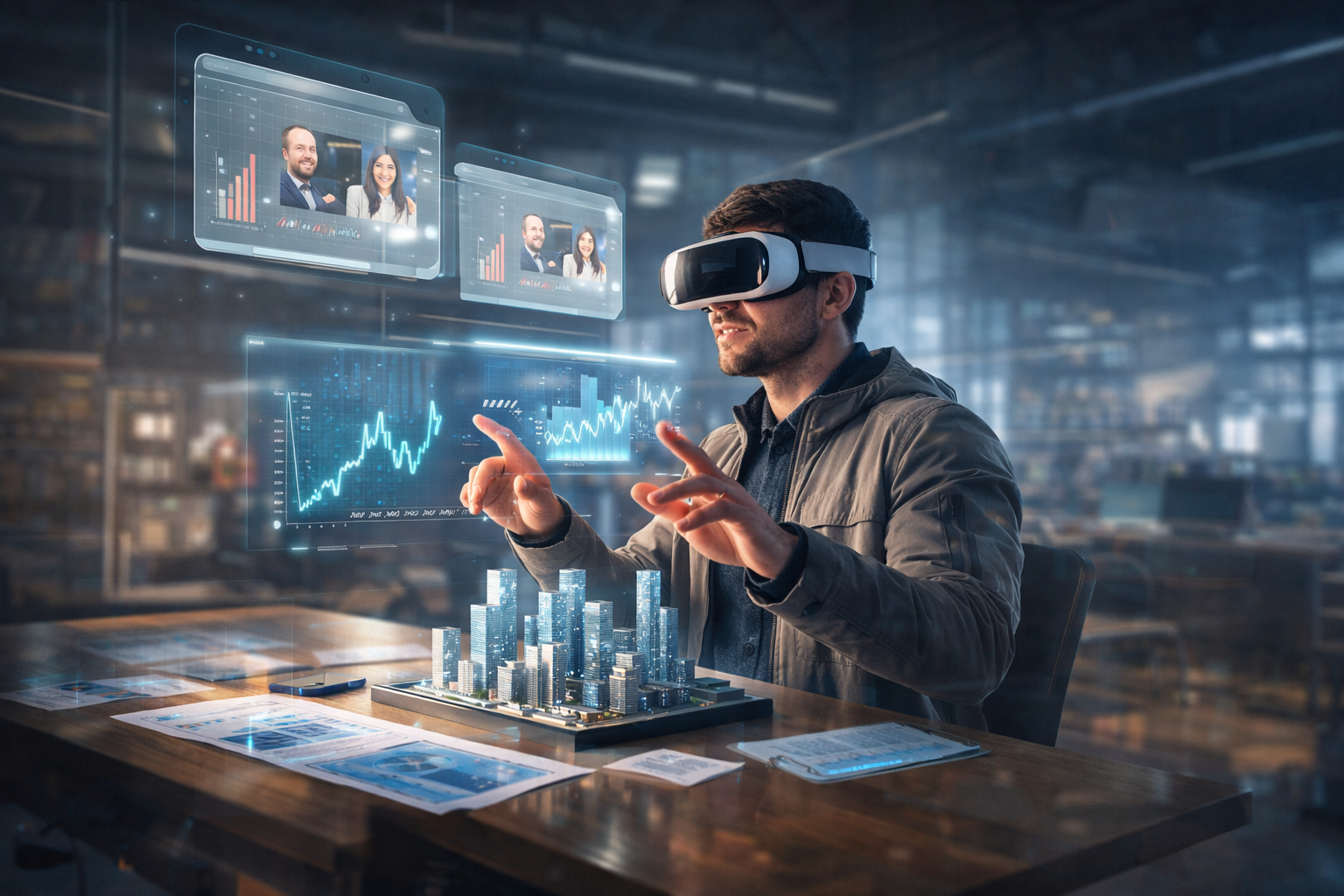
Smartphones currently dominate how we communicate, work, and access information. However, this model is starting to shift.
The future is moving toward a connected ecosystem of devices powered by:
Artificial Intelligence (AI)
Augmented Reality (AR)
Wearable technology
Instead of relying on one device, users will interact with multiple smart devices seamlessly.
Why Tech Giants Are Moving Beyond Smartphones
Slowing Innovation
Smartphone upgrades have become incremental, with fewer groundbreaking changes each year.
Demand for Natural Interaction
Users are shifting toward more natural ways of interacting with technology, such as:
Voice commands
Gesture control
Hands-free experiences
Rise of AI
Modern devices are becoming smarter, focusing more on intelligence and automation rather than just hardware.
Key Technologies Replacing Smartphones
Augmented Reality (AR) Glasses
AR glasses are expected to become the next major platform.
Display digital information in real-world environments
Provide navigation, notifications, and translations
Enable a hands-free experience
AI Assistants Everywhere

AI is expected to replace traditional apps by handling tasks automatically.
No need to open apps
Personalized recommendations
Voice-based interaction
This shift is often referred to as intent-based computing.
Wearable Technology
Wearables are becoming more powerful and essential in everyday life.
Smartwatches
Smart rings
AI-powered earbuds
These devices provide real-time data and instant access to information.
Add Your Heading Text Here
Technology is gradually blending into the environment.
Smart homes
Smart cars
Connected workplaces
Users will not need to actively use devices—technology will work in the background.
Spatial Computing and Mixed Reality
AR and VR technologies are enabling immersive digital experiences.
Virtual workspaces
3D entertainment
Remote collaboration
These innovations are expected to transform industries such as education, healthcare, and business
Timeline: When Will Smartphones Be Replaced?
2025–2030: Early adoption of AR and AI devices
2030–2035: Widespread adoption of post-smartphone technologies
Beyond 2035: Smartphones become secondary devices
What Major Tech Companies Are Doing
Apple: Developing spatial computing devices and AR ecosystems
Meta: Investing in AR glasses and virtual environments
Google: Building AI-powered smart glasses
Samsung: Transitioning toward AI-driven mobile experiences
Challenges of a Post-Smartphone Future

Despite rapid progress, several challenges remain:
High cost of devices
Privacy and data concerns
Battery limitations
Slow user adoption
The Shift from Devices to Ecosystems
The future is not about replacing smartphones with a single device.
It is about creating a connected ecosystem that includes:
AR glasses
Wearables
AI assistants
Smart environments
All working together seamlessly.
Conclusion
The future beyond smartphones represents a major transformation in how we interact with technology.
Instead of relying on a single screen, users will experience:
Hands-free interaction
AI-driven automation
Immersive environments
Smartphones will not disappear overnight, but they will gradually become just one part of a much larger digital ecosystem.
- You may also like:
Pingback: Xiaomi Dark Factory: Fully Automated Phone Production