
The Future of 6G Networks: What to Expect from the Next Generation of Connectivity
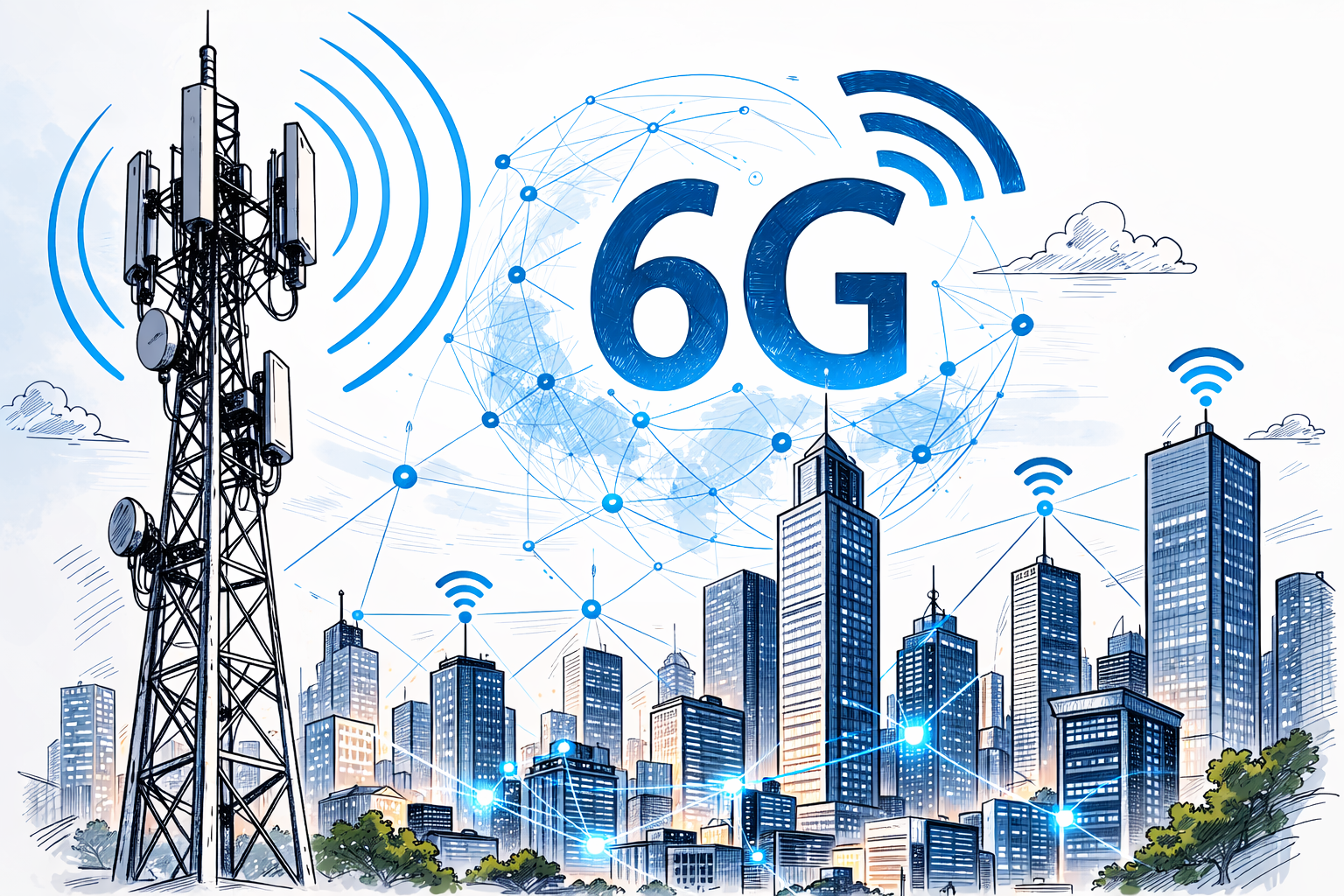
The global telecommunications industry is already preparing for the next major evolution in mobile connectivity: 6G networks. While 5G is still expanding worldwide, research institutions, telecom companies, and governments are working on technologies that will power the sixth generation of wireless communication.
6G is expected to deliver dramatically faster speeds, near-instant latency, and advanced AI-driven networking capabilities. Experts believe the technology will redefine digital communication, enabling new applications such as immersive virtual reality, autonomous systems, and intelligent smart cities.
What Is 6G Technology?
6G is the sixth generation of wireless communication technology, designed to succeed 5G networks. Development and coordination of the technology are being guided by the International Telecommunication Union under the IMT-2030 framework, which outlines performance targets and standards for next-generation mobile networks.
Unlike previous network upgrades that mainly focused on faster speeds, 6G aims to transform connectivity itself. The technology will integrate artificial intelligence directly into network infrastructure and support billions of connected devices across industries such as healthcare, transportation, manufacturing, and entertainment.
Evolution of Wireless Networks: From 4G to 6G
Mobile communication technology has continuously evolved to meet the growing demand for faster internet speeds and more reliable connectivity. Over the years, each generation of wireless networks has introduced significant improvements that have changed how people use smartphones, connected devices, and digital services.
The progression from 4G to 5G and now toward 6G represents a major technological shift that could reshape the future of global connectivity.
| Network | Speeds | Supported devices |
|---|---|---|
| 4G | approx. 41.9 Mbps | Mobile phones, tablets, access points |
| 5G | 40–1100 Mbps | Mobile phones, tablets, access points, public infrastructure, automated cars |
| 6G | Up to 1Tbps (1,000,000 Mbps) | Automated cars, cellular surfaces, Wi-Fi implants |
4G: The Foundation of Modern Mobile Internet
The mobile internet technology widely used today is based on 4G LTE, which began rolling out globally in the late 2000s. This generation of wireless networks dramatically improved mobile data speeds compared to earlier technologies such as 3G.
With 4G connectivity, users gained the ability to stream high-definition video, play online games, access cloud services, and use data-intensive mobile applications. The widespread adoption of 4G networks also helped drive the growth of mobile apps, video platforms, and social media services.
5G: Expanding the Possibilities of Connectivity
The next step in wireless technology came with the introduction of 5G networks, which provide significantly faster speeds and lower latency than 4G.
Beyond improving smartphone connectivity, 5G networks are designed to support a wide range of emerging technologies. These include smart city infrastructure, connected vehicles, industrial automation, and the growing ecosystem of Internet of Things (IoT) devices.
Because of its high capacity and efficiency, 5G is capable of connecting millions of devices within a small area, making it a key enabler of future digital ecosystems.
6G: The Next Frontier in Wireless Technology
Although 5G networks are still expanding globally, researchers and technology companies are already working on the development of 6G networks.
Early expectations suggest that 6G could deliver data speeds of up to 1 terabit per second, which would be dramatically faster than current mobile networks. In addition to higher speeds, 6G aims to introduce ultra-low latency communication and advanced artificial intelligence integration within network infrastructure.
The technology could support future innovations such as real-time holographic communication, fully autonomous transportation systems, advanced robotics, and highly connected smart cities.
While commercial deployment of 6G is still several years away, ongoing research indicates that the next generation of wireless technology could redefine how people and devices interact in the digital world.
Timeline: When Will 6G Launch?
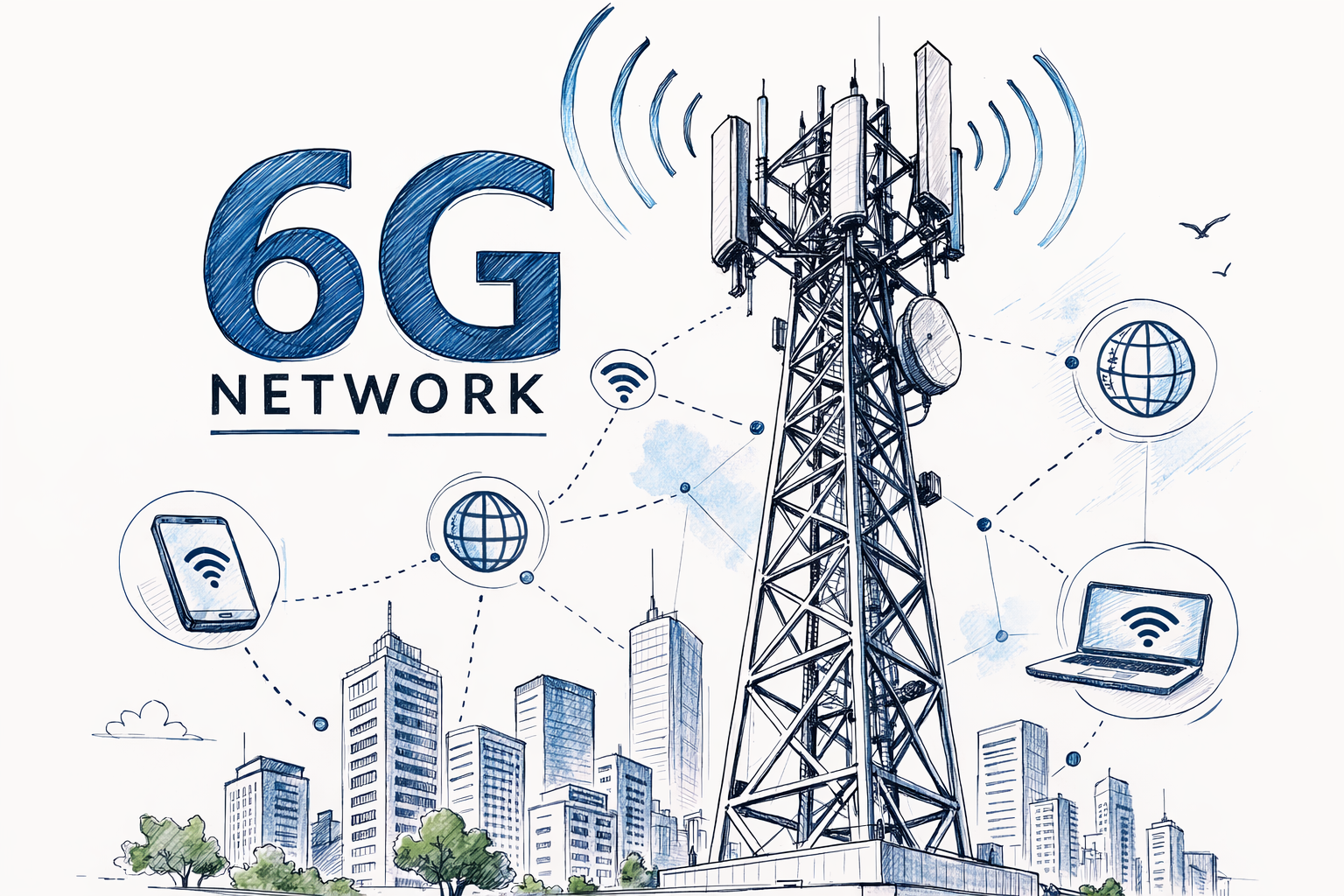
Although research is progressing rapidly, 6G networks are still several years away from commercial deployment.
Industry estimates suggest the following timeline:
2024–2026: Early research and technology development
2027–2029: Global trials and standardization
Around 2030: Initial commercial deployment
Many telecom companies expect the first commercial 6G services to appear around 2030, following the typical ten-year cycle between mobile network generations.
Pre-commercial trials could begin in the late 2020s, allowing companies to test real-world implementations before widespread adoption.
Companies Leading 6G Development
Several major technology companies and telecom providers are investing heavily in 6G research and infrastructure.
Key organizations involved include:
Samsung
Ericsson
Huawei
Qualcomm
Apple
NTT Docomo
These companies are collaborating with universities, governments, and international standards bodies to develop the next generation of wireless connectivity.
The Road Ahead for Global Connectivity
The future of 6G networks represents a major leap in communication technology. While commercial deployment is still years away, early research and industry collaboration suggest that 6G will reshape digital infrastructure across multiple sectors.
By combining ultra-fast connectivity, artificial intelligence, and advanced wireless technologies, 6G has the potential to enable innovations that are difficult to imagine today. As development continues throughout the decade, the world may see a new era of connectivity emerge by 2030.
- You may also like:
Pingback: Future Beyond Smartphones: What Tech Giants Are Building
Pingback: Xiaomi Dark Factory: Fully Automated Phone Production