Introduction
If you’re searching for the complete iphone air specs, this detailed overview breaks down everything you need to know: launch information, network compatibility, build and durability, display technology, chipset and performance, camera hardware, video capabilities, battery life, charging features, wireless connectivity, sensors, and model details. This guide makes it easy to evaluate the iPhone Air and decide whether its configuration fits your everyday or professional needs.
Launch & Network Compatibility
Apple introduced the iPhone Air on September 09, 2025, and officially released it on September 19, 2025, making it a part of Apple’s 2025 flagship lineup.
For network standards, the device supports an extensive set of technologies — GSM / CDMA / HSPA / EVDO / LTE / 5G — ensuring global compatibility across nearly every major carrier.
Body, Dimensions & Build Quality
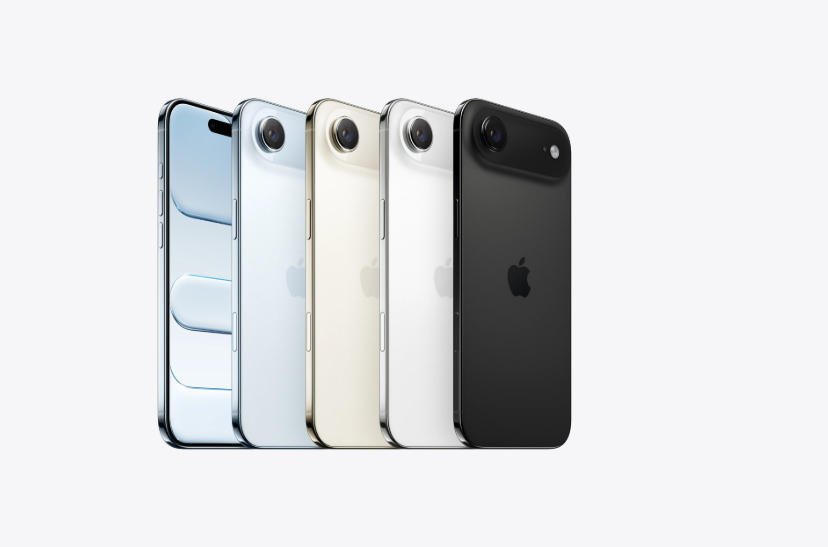
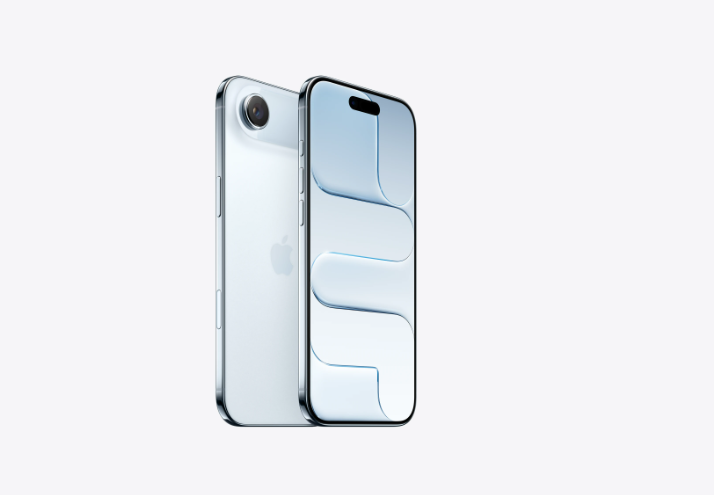
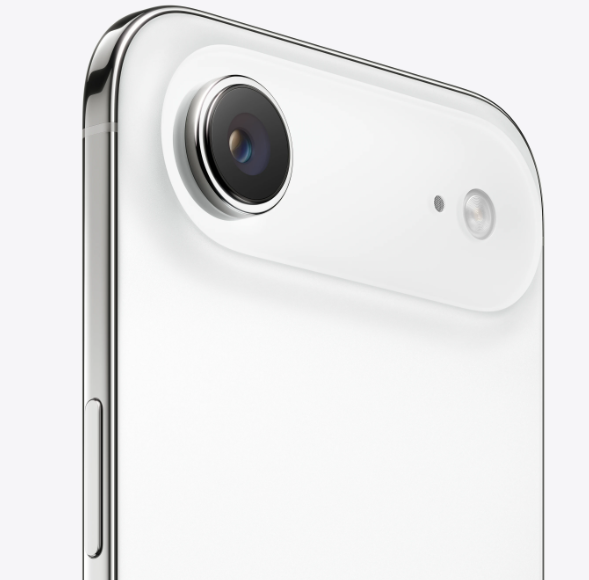
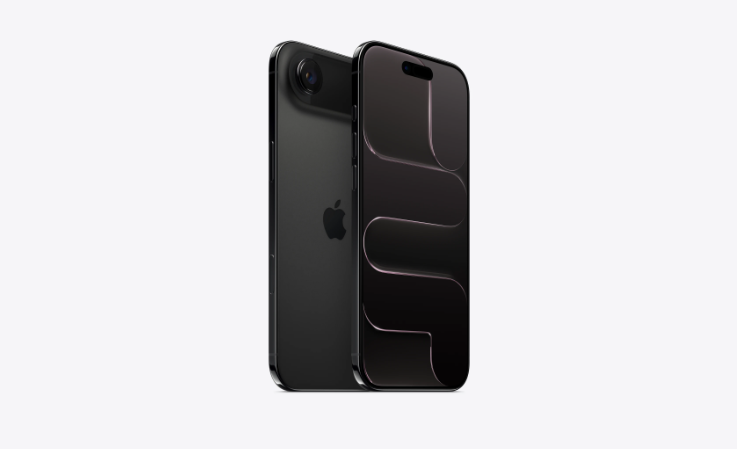
The iPhone Air has a sleek, ultra-thin profile measuring 156.2 x 74.7 x 5.6 mm, and weighs only 165 g — noticeably slim and lightweight compared to most modern smartphones.
Build materials include:
Ceramic Shield 2 glass front
Grade 5 titanium frame for structural strength
Ceramic Shield glass back
This combination provides a premium feel with improved resistance to drops and scratches. The phone is rated IP68 (dust tight, water resistant up to 6m for 30 minutes), and supports Apple Pay with Visa, MasterCard, and AMEX certification.
SIM Configurations & Durability Extras
The iPhone Air uses an eSIM + eSIM setup with support for 8 or more stored eSIM profiles (maximum two active simultaneously). This is ideal for frequent travelers and users who switch carriers often.
Display - Size, Technology & Protection
The iPhone Air features a 6.5-inch LTPO Super Retina XDR OLED panel with:
120Hz adaptive refresh rate
HDR10 & Dolby Vision
1000 nits typical brightness
1600 nits HBM
3000 nits peak brightness
Its resolution of 1260 × 2736 (~460 ppi) delivers sharp detail and excellent color accuracy. Protection comes from Ceramic Shield 2 (Mohs level 5) along with an anti-reflective coating for enhanced outdoor visibility.
Platform, Chipset & Performance
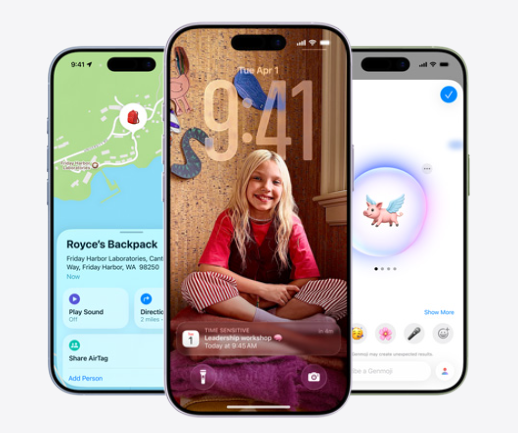
The device runs iOS 26, upgradeable to iOS 26.1, ensuring access to the latest software features.
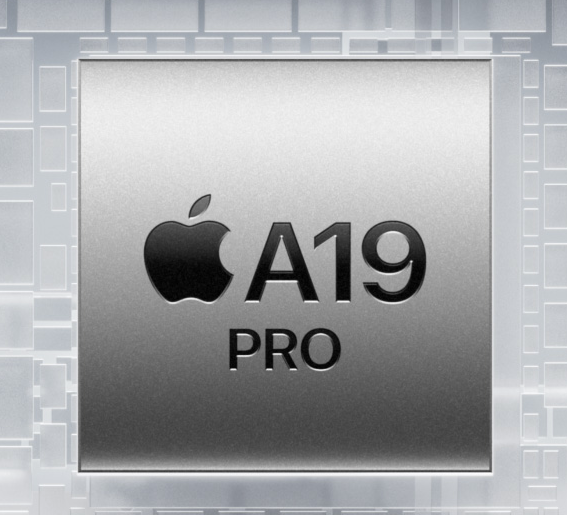
Powering the phone is the Apple A19 Pro (3 nm) chipset — a flagship-level processor optimized for performance and efficiency.
CPU & GPU specs include:
Hexa-core CPU (2× 4.26 GHz + 4× high-efficiency cores)
Apple 5-core GPU
This setup ensures top-tier performance in multitasking, gaming, AI-driven tasks, and high-end productivity apps.
Memory & Storage Options
There’s no card slot, but the iPhone Air comes with fast NVMe storage in three configurations:
256GB + 12GB RAM
512GB + 12GB RAM
1TB + 12GB RAM
These options suit heavy users who need space for 4K video, apps, and photography.
Main Camera System -Hardware & Video Capabilities
The iPhone Air uses a single but powerful 48 MP main camera:
f/1.6 aperture
26mm wide lens
1/1.56″ sensor
1.0µm pixel size
Dual pixel PDAF
Sensor-shift OIS
Features include:
Dual-LED dual-tone flash
Photo & panorama HDR
Advanced computational photography
Video recording is equally strong, supporting:
4K at 24/25/30/60fps
1080p at 25/30/60/120/240fps
HDR & Dolby Vision HDR up to 60fps
Stereo sound recording
This setup delivers flagship-level clarity, low-light performance, and cinematic video.
Selfie Camera & Front-Facing Video
The front camera is an 18 MP multi-aspect ultrawide (20mm) unit with PDAF, accompanied by an SL 3D sensor for depth sensing and biometrics.
Key features include:
HDR & Dolby Vision HDR
3D spatial audio
Stereo sound capture
Video modes:
4K at 24/25/30/60fps
1080p at 25/30/60/120fps
Gyro-EIS for stability
Sound & Audio Experience
The phone includes stereo speakers, delivering rich playback. It does not feature a 3.5mm headphone jack, like other recent Apple devices, encouraging users to rely on wireless or USB-C audio solutions.
Connectivity, Wireless & Positioning
The iPhone Air supports a broad range of connectivity features:
Wi-Fi 7 (tri-band)
Bluetooth 6.0
GPS, GLONASS, GALILEO, QZSS, BDS, NavIC
NFC
USB-C 2.0
Satellite functions include Emergency SOS, Find My, and satellite messaging for remote communication.
Features, Sensors & Advanced Extras
Included sensors:
Face ID
Accelerometer
Gyro
Proximity
Compass
Barometer
UWB (Gen 2)
These enable advanced spatial functions, AR apps, and secure authentication.
Battery Capacity & Charging Speeds
The iPhone Air has a 3149 mAh Li-Ion battery with:
Fast wired PD2.0 charging (50% in 30 mins)
MagSafe/Qi2 wireless charging (50% in 30 mins; 15W in China)
4.5W reverse wired charging
While the capacity is modest, Apple’s efficiency optimization ensures strong real-world battery life.
Colors, Models & SAR Values
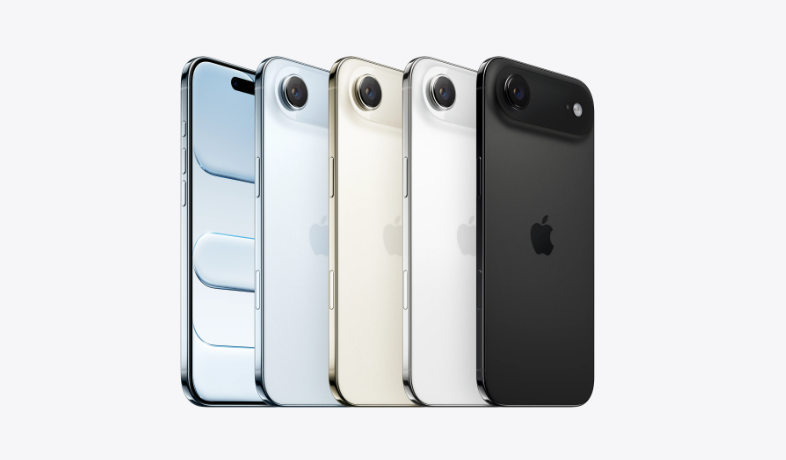
Available colors:
Space Black
Cloud White
Light Gold
Sky Blue
Model numbers include iPhone18,4, A3517, A3260, A3518, A3516.
SAR ratings:
1.19 W/kg (head)
1.19 W/kg (body)
EU: 1.49 W/kg (head)
1.49 W/kg (body)
Who Should Consider the iPhone Air?
hoose the iPhone Air if you want:
A premium, ultrathin 5.6 mm smartphone
A bright and color-accurate LTPO OLED display
Apple’s latest A19 Pro performance
Strong 48 MP computational photography
Excellent Dolby Vision HDR video
Long-term software support
Lightweight design with titanium durability
Users who shoot a lot of video or keep large apps will benefit the most from the 512GB or 1TB storage options.
Final Summary
The iphone air specs reveal a premium Apple device with an ultra-thin design, powerful A19 Pro chipset, a stunning LTPO Super Retina XDR OLED display, and advanced camera technology with Dolby Vision HDR video. Use this guide to compare configurations and decide if the iPhone Air matches your performance, design, and storage needs.
Pingback: Samsung Galaxy S25 Ultra Price in Nepal